GAA Player Development: Building Skills from U8 to Senior Level
With 40% of Irish youth participating in GAA sports, clubs are adopting structured development pathways that ensure age-appropriate progression from grassroots to elite level.
The GAA Development Framework
Foundation Phase (U8-U10)
Focus: Fun, fundamental movement, and basic skills
- Solo run and hand pass introduction
- Basic catching and kicking
- Small-sided games
- Movement variability
- Key Metric: Participation and enjoyment
Learning Phase (U11-U13)
Focus: Technical skill development and game understanding
- Advanced solo run techniques
- Position-specific skills
- Tactical awareness introduction
- Physical literacy development
- Key Metric: Skill acquisition and engagement
Training Phase (U14-U16)
Focus: Tactical periodization and position specialization
- Game intelligence development
- Position-specific training
- Physical conditioning
- Competitive experience
- Key Metric: Performance and retention
Performance Phase (U17+)
Focus: Elite performance and specialization
- Advanced tactical understanding
- Physical optimization
- Mental resilience
- Leadership development
- Key Metric: Competitive success and progression
Key Development Principles
Multi-Sport Foundation
Research shows GAA players benefit from:
- Swimming: Cardiovascular conditioning and recovery
- Soccer: Foot skills and agility
- Rugby: Physicality and contact confidence
- Athletics: Speed and power development
Technical Mastery
GAA-specific skills require:
- Ball handling: Solo run, hand pass, kick pass
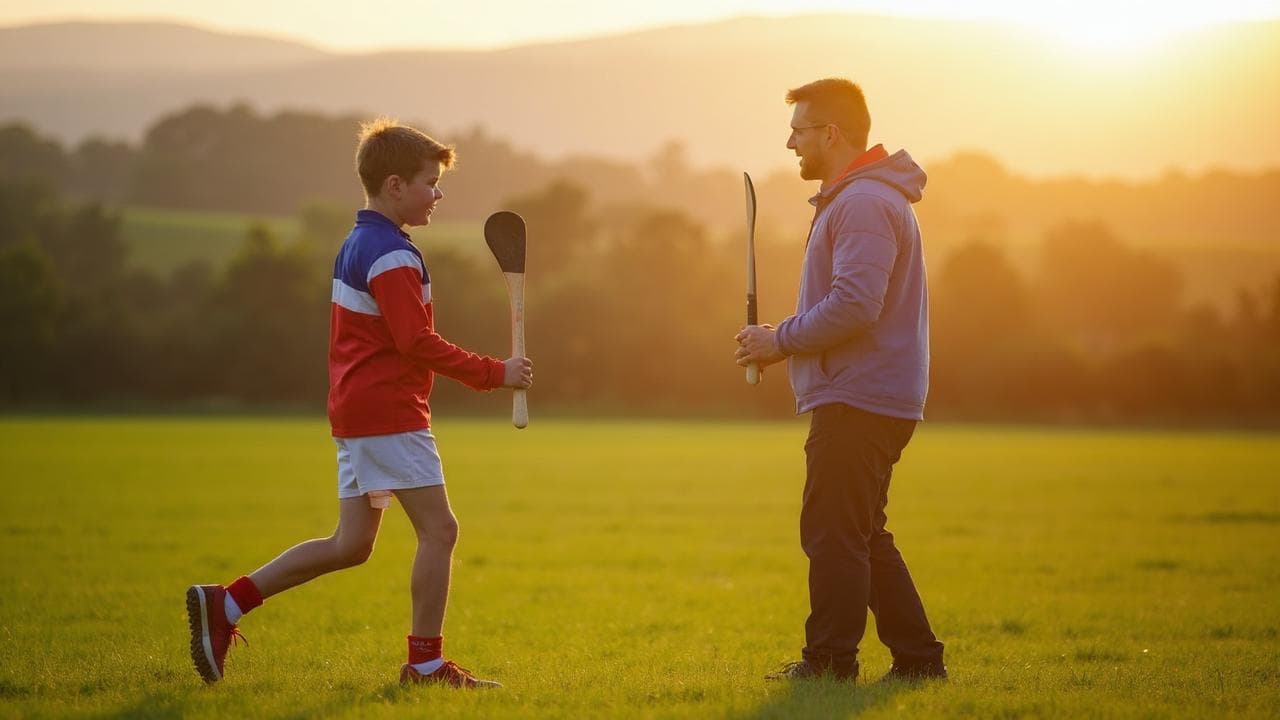
- Striking: Hurling skills and football kicking
- Fielding: High ball and ground ball techniques
- Decision-making: When to solo, pass, or shoot
Tactical Intelligence
Game understanding develops through:
- Small-sided games: Increased touches and decisions
- Positional play: Understanding roles and responsibilities
- Game scenarios: Pressure situations and problem-solving
- Video analysis: Learning from performance
Tracking and Development
What to Track
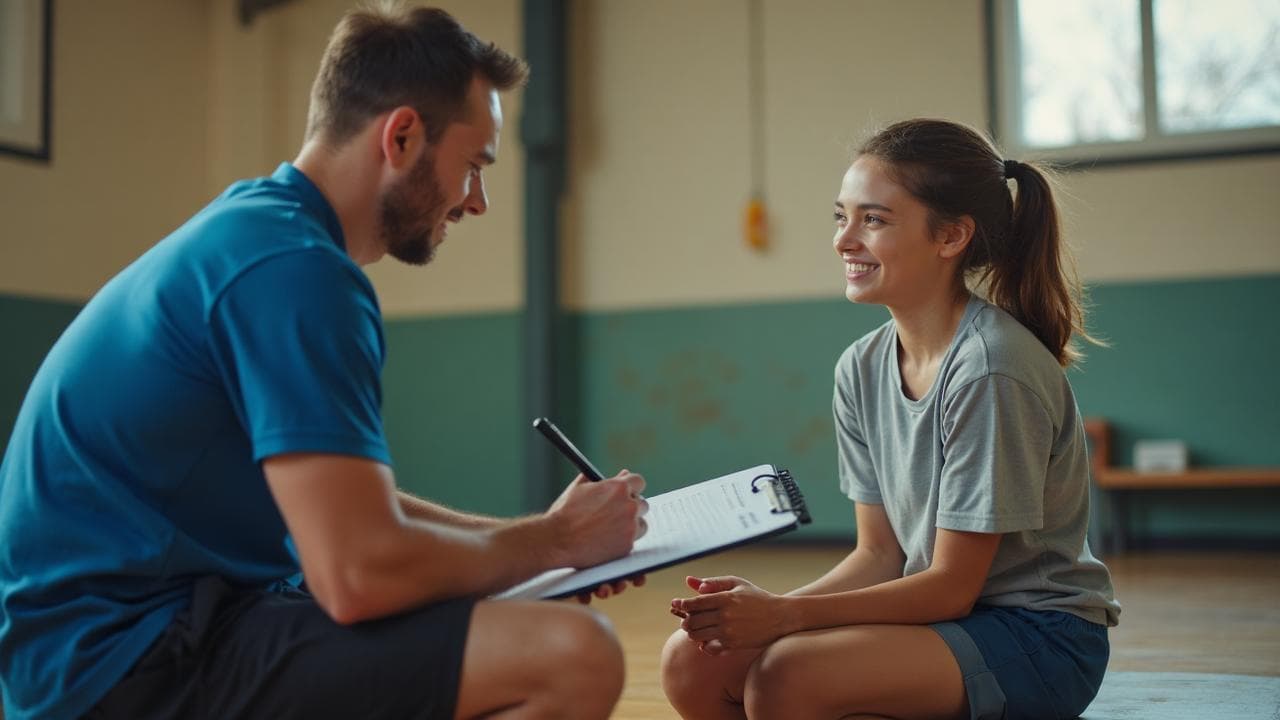
- Technical skills: Sport-specific competencies
- Physical development: Speed, agility, strength
- Tactical understanding: Game intelligence scores
- Well-being: Mental health, sleep, recovery
- Participation: Attendance and engagement
The Passport System
Digital passports enable:
- Continuity: Data follows player across age groups
- Visibility: Coaches see complete development history
- Personalization: Training based on individual needs
- Communication: Parents and coaches connected
Challenges and Solutions
Challenge: Age Group Transitions
Solution: Comprehensive tracking ensures continuity
Challenge: Multi-Sport Coordination
Solution: Unified platform tracks all sports
Challenge: Volunteer Coach Support
Solution: Technology provides structure and guidance
Challenge: Parent Engagement
Solution: Transparent tracking and communication
Success Stories
Dublin Club Implementation
A Dublin GAA club using comprehensive tracking saw:
- 43% improvement in retention rates
- 56% increase in parent engagement
- 38% reduction in administrative time
- 52% improvement in player satisfaction
County Development Program
A county-wide program tracking players across clubs achieved:
- 67% better talent identification
- 45% improvement in development outcomes
- 61% increase in progression to county teams
- 54% reduction in dropout rates
The Future of GAA Development
Modern GAA development programs are:
- Data-driven: Using insights to guide decisions
- Holistic: Addressing technical, physical, and mental aspects
- Continuous: Tracking across entire journey
- Collaborative: Connecting all stakeholders
The future of GAA player development lies in creating comprehensive systems that support players from their first solo run to senior county level, ensuring every player reaches their potential.
Related Articles

"It's Not Just About Winning": What Gen Z Athletes Really Think About Competition
Surveys of thousands of young people show that today's athletes still care about winning—but on very different terms than many adults assume.

What Scouts Actually Want to See in a Player Development Record
Clubs obsess over one-off trial performances. Recruiters increasingly care more about who a player has been becoming over several seasons.

The Multi-Sport Advantage: How Playing Multiple Sports Reduces Injury Risk
Research shows single-sport specialisation increases injury risk by 70-93%, while multi-sport athletes experience 25% fewer major injuries and longer athletic careers.
More in Player Development
View All Player Development"It's Not Just About Winning": What Gen Z Athletes Really Think About Competition
Surveys of thousands of young people show that today's athletes still care about winning—but on very different terms than many adults assume.
What Scouts Actually Want to See in a Player Development Record
Clubs obsess over one-off trial performances. Recruiters increasingly care more about who a player has been becoming over several seasons.
The Multi-Sport Advantage: How Playing Multiple Sports Reduces Injury Risk
Research shows single-sport specialisation increases injury risk by 70-93%, while multi-sport athletes experience 25% fewer major injuries and longer athletic careers.

The First 30 Days: A Coach Onboarding Blueprint That Stops Volunteer Burnout
Up to two-thirds of community sports organisations struggle to retain volunteer coaches. A simple 30-day onboarding plan can change that.