
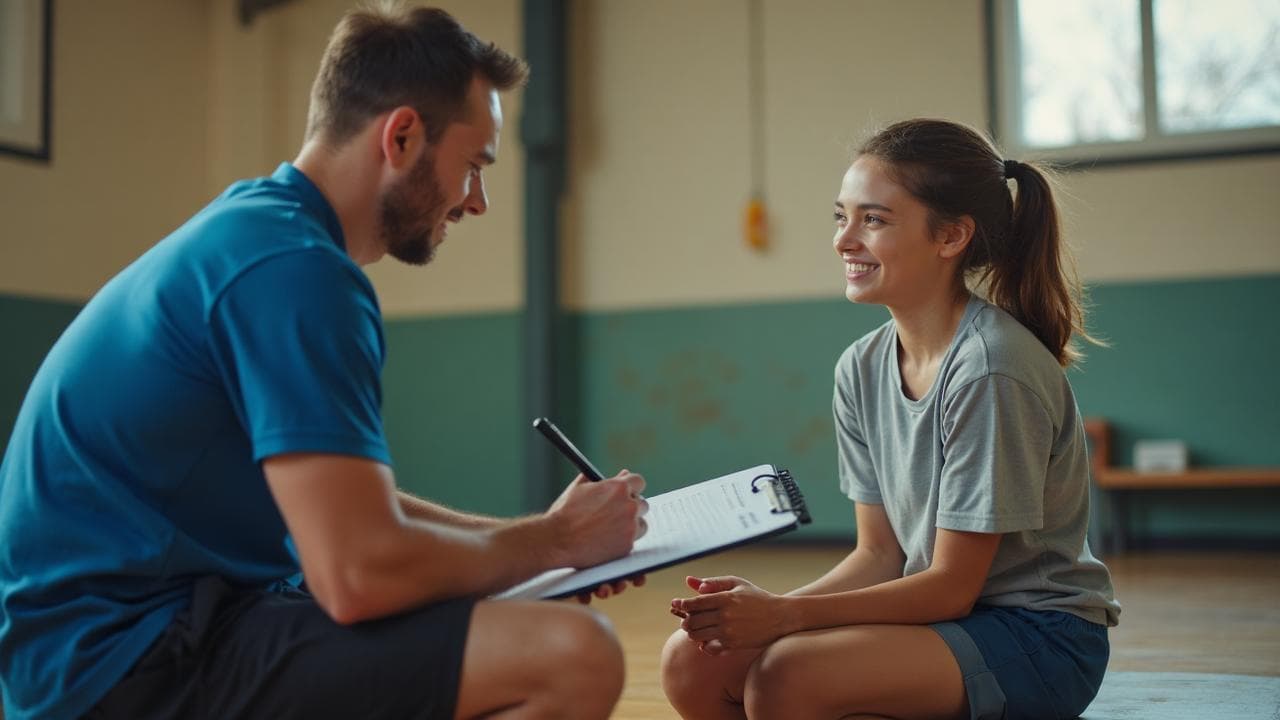
The Communication Gap: Why 29% of Parents Feel Disconnected from Their Child's Development
The Problem Is Widespread
**Nearly 1 in 3 parents (29.4%) report a lack of communication with coaches—**making it a top-5 reason for parent dissatisfaction in youth sports.
But this number only tells part of the story.
What the Research Actually Reveals
The Specific Communication Breakdowns
When parents don't communicate effectively with coaches, the primary issues are:
- Unclear development feedback – Parents don't understand what their child is working on or how they're progressing
- Scheduling confusion – Information about training times, fixtures, and requirements arrives inconsistently
- Misaligned expectations – Parents and coaches have different views of what the child should be working on
- Limited insight into wellbeing – Coaches don't share information about how their child is coping mentally and emotionally
- Ad-hoc messaging – Important information gets lost in emails, texts, and WhatsApp groups with no clear structure
The Domino Effect
When communication breaks down, the consequences cascade:
For Players:
- Receive conflicting messages at home vs. training
- Don't understand their development pathway
- Feel unsupported and disconnected
- Experience increased anxiety and uncertainty
- Are more likely to lose engagement and quit
For Parents:
- Feel disconnected from their child's sporting journey
- Make uninformed decisions about participation
- Can't effectively support their child's development
- Don't know when to reduce pressure vs. encourage effort
- Experience stress from uncertainty and misalignment
For Coaches:
- Spend excessive time managing parent expectations
- Deal with misunderstandings and complaints
- Can't get parent support for development plans
- Face burnout from poor communication management
Why Traditional Communication Fails
The WhatsApp Problem
Most youth sports rely on informal channels:
- Group chats that mix logistics with important development information
- Ad-hoc messages sent inconsistently
- Lost context as conversations scroll away
- No structured feedback on player development
- Information overload mixed with noise
This creates:
- Missed important messages
- Misunderstood information
- No accountability or follow-up
- Parental anxiety from lack of clarity
The Assumption Problem
Coaches often assume parents understand their development approach:
- "They should know what we're working on"
- "They should ask if they want more detail"
- "They should understand performance at this age"
Parents, meanwhile, are left wondering:
- "What is my child actually learning?"
- "How can I support this at home?"
- "What should I be concerned about?"
- "Are they progressing normally for their age?"
The Multi-Sport Complication
The communication gap becomes exponentially worse when children play multiple sports:
- Different coaches use different terminology for similar skills
- Parents receive fragmented information from multiple sources
- Conflicting advice from coaches in different sports
- No holistic view of the child's overall development and wellbeing
- Risk of overcommitment goes undetected
- Injury patterns across sports aren't visible
What Structured Communication Looks Like
The Components That Matter
1. Regular, Structured Feedback
- Clear, consistent communication on a set schedule (e.g., monthly reviews)
- Specific feedback on development areas (technical, physical, mental, team)
- Context: what the child is working on, why, and how to support at home
2. Development Pathways
- Clear visibility into the child's development trajectory
- Age- and stage-appropriate benchmarks
- Understanding of what's typical vs. concerning at each stage
3. Two-Way Communication
- Parents can ask questions and provide feedback
- Coaches understand family circumstances and constraints
- Collaborative problem-solving when issues arise
4. Transparent Goal-Setting
- Shared understanding of what the child is working toward
- Realistic expectations based on age, stage, and ability
- Regular progress reviews against goals
5. Multi-Sport Visibility
- Coaches across different sports can see what else the child is doing
- Training load and recovery are managed holistically
- Communication is consistent across all sports
How Structured Communication Transforms Outcomes
For Player Retention
Research shows that when communication is structured and clear:
- Players understand their development pathway → Increased engagement and motivation
- Players feel supported at home → Reduced anxiety and pressure
- Players experience aligned feedback → Clearer path forward
Result: Significantly improved retention rates, especially during critical transition periods (ages 12-14).
For Parent Satisfaction
When parents feel informed and involved:
- Trust in coaches increases → They're confident in the development approach
- Anxiety decreases → They understand what's normal vs. concerning
- They can provide effective home support → They know what to reinforce
Result: Parents become advocates for the programme, with higher satisfaction and willingness to recommend.
For Coach Effectiveness
When coaches communicate clearly:
- Expectations are aligned → Fewer misunderstandings and complaints
- Parents actively support development → Coaches don't work in isolation
- Burnout decreases → Communication management becomes manageable
Result: Coaches can focus on what they do best—coaching—rather than managing parent expectations.
Real-World Example: The Difference
Before Structured Communication
Coach: Trains Emma on left-foot passing accuracy
Parent: Receives WhatsApp: "Training 5-6pm Tuesday, bring water"
Player: Emma works on passing at training, goes home
Parent: Doesn't know what Emma worked on, can't support at home
Result: Emma makes slower progress; parent feels disconnected
After Structured Communication
Coach: Adds development note to Emma's passport: "Focus: left-foot passing accuracy. Progressing well—went from 60% accuracy to 75% this month. At-home practice: cone drills 3x/week, 10 mins each."
Parent: Reviews passport, understands the focus, sees progress
Parent: Sets up cone drills in backyard; practices with Emma
Player: Gets reinforcement at training AND at home; progress accelerates
Coach: Sees parent support in next training session; adjusts intensity accordingly
Result: Emma improves faster; parent feels involved and confident; coach's effort is multiplied
The PDP Approach to Communication
The Player Development Passport addresses the communication gap with:
1. Structured Feedback System
- Monthly development reviews
- Clear, consistent format across all coaches
- Specific feedback on skills, progress, and development areas
- Home support recommendations
2. Multi-Sport Visibility
- Parents see all their child's sports in one place
- Coaches in different sports can see what else the child is doing
- Consistent communication terminology across all sports
- Training load and recovery are visible across all passports
3. Clear Development Pathways
- Age- and stage-appropriate benchmarks
- Clear milestones and progression indicators
- Realistic expectations based on development stage
- Regular progress reviews against benchmarks
4. Coach-Parent Collaboration Features
- Dedicated communication channel (not WhatsApp)
- Goal-setting and progress tracking
- Easy sharing of home practice recommendations
- Regular check-ins and reviews
5. Transparency Around Wellbeing
- Coaches track and communicate about player wellbeing
- Parents can provide feedback on home circumstances
- Early warning signs of burnout or disengagement are visible
- Collaborative support planning
What Parents Should Ask Their Coach
If you're noticing a communication gap:
- "Can you share my child's specific development focus for this month?"
- "What are the age-appropriate benchmarks for this skill/attribute?"
- "How is my child progressing compared to these benchmarks?"
- "What can I do at home to support this development?"
- "How often will you provide structured development feedback?"
- "If my child is playing multiple sports, how do you coordinate with other coaches?"
What Coaches Should Be Doing
If you're a coach wanting to improve communication:
- Schedule monthly development reviews with parents (5-10 mins)
- Use a structured template for feedback (keeps it consistent and clear)
- Include specific recommendations for home support
- Share age-appropriate benchmarks so parents understand context
- Coordinate with other coaches if the child plays multiple sports
- Track wellbeing alongside development and communicate proactively
The Bottom Line
The 29% parent dissatisfaction rate isn't inevitable. It's the result of poor communication systems.
When communication is structured, clear, consistent, and transparent, we see:
- Better player retention (especially during critical transition periods)
- Improved player development (parents can support at home)
- Higher parent satisfaction and engagement
- Reduced coach burnout from managing expectations
- Aligned expectations across all stakeholders
- Greater trust between coaches and families
The path forward is clear: replace ad-hoc messaging with structured communication systems.
This isn't about more communication—it's about better communication. And the impact on player engagement and development is profound.
Related Articles
Why 1 in 3 Kids Quit Sports by Age 14—And How to Keep Them Engaged
New research reveals the shocking dropout crisis affecting youth sports globally, with performance pressure and lack of enjoyment cited as primary reasons. Here's how coaches and parents can reverse the trend.

The Invisible Dropout: Why So Many Girls Leave Sport by 14
Over 15,000 girls across the UK say the same thing: they enjoy being active, but school, confidence and culture quietly push them out of sport by mid-teens.

The Youth Sports Dropout Crisis: What the Research Says
70% of youth athletes quit sports by age 13. Explore the statistics, root causes, and evidence-based solutions to address this critical challenge in player development.
More in Research
View All ResearchWhy 1 in 3 Kids Quit Sports by Age 14—And How to Keep Them Engaged
New research reveals the shocking dropout crisis affecting youth sports globally, with performance pressure and lack of enjoyment cited as primary reasons. Here's how coaches and parents can reverse the trend.
The Invisible Dropout: Why So Many Girls Leave Sport by 14
Over 15,000 girls across the UK say the same thing: they enjoy being active, but school, confidence and culture quietly push them out of sport by mid-teens.
The Youth Sports Dropout Crisis: What the Research Says
70% of youth athletes quit sports by age 13. Explore the statistics, root causes, and evidence-based solutions to address this critical challenge in player development.