
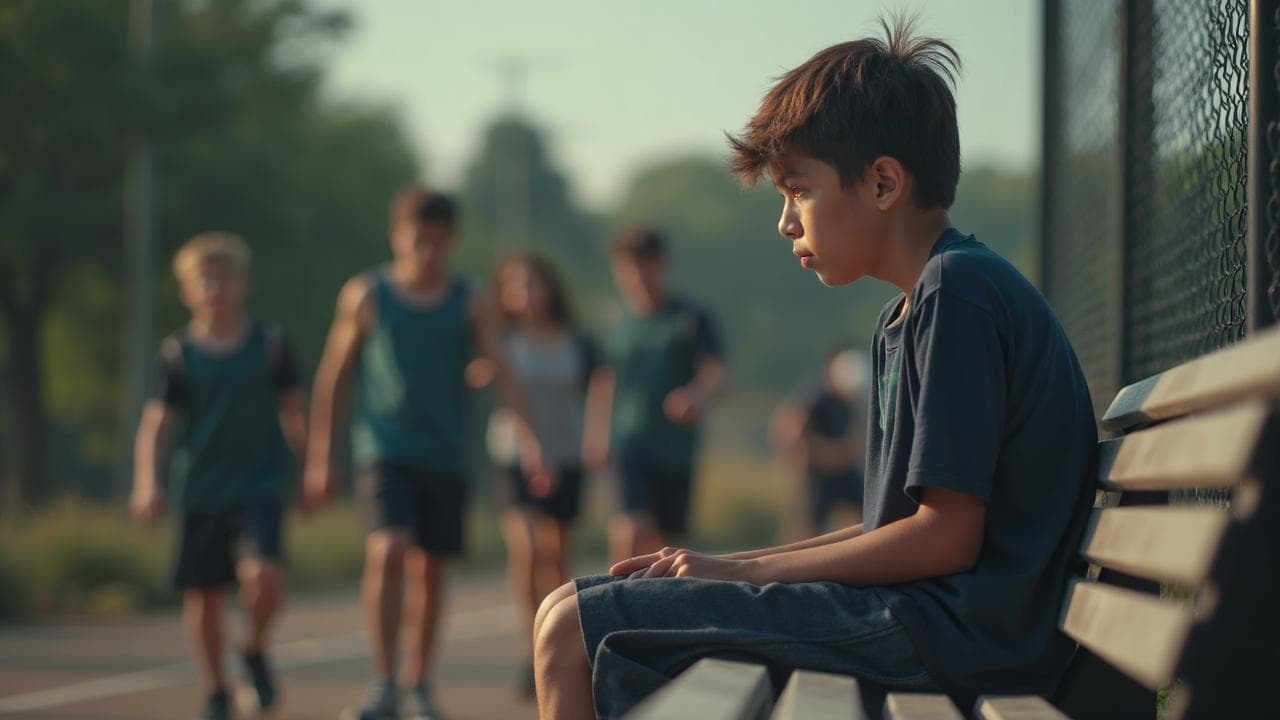
Why 1 in 3 Kids Quit Sports by Age 14—And How to Keep Them Engaged
The Dropout Crisis Is Real
The statistics are alarming:
- Participation increases dramatically between ages 8-12, with most sports reaching peak engagement at this stage
- From age 12-16, participation drops sharply—with many sports experiencing 30-40% dropout rates
- By age 13, roughly 1 in 3 young athletes have quit organised sports
- In Australia, participation drops from 45-46% (ages 5-14) to just 23% (ages 15-19)
- In the USA, approximately 45% of high school students drop out of sports
Even more troubling: when asked why they quit, many young athletes say they still loved their sport but couldn't sustain participation—suggesting the problem isn't a lack of interest, but a failure of the system.
The Root Causes: Performance Over Enjoyment
Performance Pressure Is the #1 Culprit
Research specifically from Northern Ireland and the UK reveals:
- 40% of youth sport dropouts are linked directly to performance pressure and lack of enjoyment
- Youth sports culture prioritises competition and winning over personal development and enjoyment
- Young athletes cite "high expectations" as a primary reason for quitting—not because they lack ability, but because the pressure becomes overwhelming
The Gender Gap
The crisis isn't equal across genders:
- Girls are four times less likely to participate in organised sports than boys
- However, between ages 12-16, boys show slightly higher dropout rates (22% vs 18%)
- Sport type matters: For girls, martial arts (55% dropout), dance sports (57%), and swimming (71%) have the highest dropout rates
- For boys: swimming (67%), martial arts (76%), and cycling (92%) show the steepest declines
Time Pressure and School Conflict
Another critical factor emerging from recent research:
- Scheduling conflicts with schoolwork force many young athletes to choose between academics and sports
- Increased school pressure during secondary transitions (ages 11-13) coincides directly with sports dropout peaks
- Families managing multiple sports struggle to coordinate schedules without support systems
Why the Transition to Secondary School Is Critical
Research shows a critical dropout window at ages 12-14—precisely when:
- Academic pressure increases dramatically (GCSE/exam preparation begins)
- Coaches often switch focus to "serious" players, sidelining less advanced athletes
- Social hierarchies solidify, making less skilled players feel excluded
- Physical development becomes uneven, with some athletes maturing faster than others
- Identity formation intensifies—sports become a marker of social status rather than pure enjoyment
The Performance-Pressure Paradox
Here's the cruel irony: coaches and parents often increase pressure precisely when they should be doing the opposite.
When young athletes show talent, the response is often:
- Increased training intensity
- More competitive environments
- Higher expectations and goals
- Reduced emphasis on fun and enjoyment
The result: burnout, anxiety, and—ironically—worse performance along with withdrawal from sport entirely.
What Does Engagement Look Like?
Young athletes stay engaged when:
✓ Enjoyment is prioritised over winning
✓ Personal progress is celebrated rather than ranking against peers
✓ Coaches focus on development not just competition
✓ Parents support participation without adding pressure
✓ Multiple sports are encouraged to prevent burnout
✓ Social connection and friendship are emphasised
✓ Clear development pathways show how to improve
✓ Communication between coaches and parents is transparent
How PDP Addresses the Dropout Crisis
The Player Development Passport directly tackles the root causes:
1. Progress Tracking Over Performance Pressure
Instead of focusing solely on wins/losses, PDP tracks personal development across multiple dimensions—technical skills, physical attributes, mental resilience, and wellbeing. This shifts the conversation from "Did you win?" to "How did you develop?"
2. Coach-Parent Alignment Prevents Misaligned Expectations
When coaches and parents communicate clearly through structured feedback, young athletes receive consistent messaging. They understand:
- What skills they're developing
- How they're progressing
- What realistic expectations are
This transparency reduces performance anxiety and prevents the "conflicting messages" that confuse young athletes.
3. Multi-Sport Management Reduces Burnout
PDP's unique multi-sport capability allows parents to:
- View all their child's sports in one place
- Identify scheduling conflicts and training overload
- Make informed decisions about participation levels
- Celebrate cross-sport progress
4. Wellbeing Monitoring Catches Problems Early
By tracking wellbeing indicators alongside development, PDP helps coaches and parents identify:
- Early signs of burnout
- Mental health concerns
- Fatigue and recovery issues
- Lost enjoyment in the sport
What Parents Can Do Right Now
If your child is in the critical 12-14 age range:
-
Ask about enjoyment, not just performance. "Did you have fun?" matters more than "Did you win?"
-
Reduce, don't increase, pressure during secondary school transitions. This is when they need support most, not more demands.
-
Explore multiple sports. If they're specialising, introduce a complementary sport for fun and development.
-
Talk with coaches about development focus. Ask: "What's the long-term development plan?" not just "How do we win more?"
-
Monitor for burnout signals:
- Reluctance to attend training
- Complaints of being tired
- Loss of enthusiasm
- Increased anxiety or stress
- Physical complaints
-
Keep communication channels open. Help your child feel heard. Their voice matters.
The Bigger Picture
This isn't just about keeping kids in sports. Research shows that young athletes who drop out:
- Miss critical physical development windows
- Lose mental health benefits (stress relief, confidence building, social connection)
- Establish patterns of physical inactivity that can persist into adulthood
- Forgo the social bonds and friendships that sports provide
When we lose young athletes to the dropout crisis, we're not just losing sports participation—we're potentially affecting their physical health, mental wellbeing, and social development for years to come.
The Path Forward
The dropout crisis isn't inevitable. It's a systemic problem caused by misaligned priorities—prioritising competition and performance over development and enjoyment.
By shifting to a player-centric model that emphasises:
- Personal development over performance pressure
- Long-term engagement over short-term winning
- Holistic wellbeing over specialisation
- Coach-parent partnership over isolated decision-making
We can reverse the trend and keep young athletes engaged, healthy, and in love with their sport.
Related Articles

The Communication Gap: Why 29% of Parents Feel Disconnected from Their Child's Development
Research reveals a massive communication divide between coaches and parents. Only structured feedback systems bridge this gap—improving retention, reducing anxiety, and enhancing player development.

The Invisible Dropout: Why So Many Girls Leave Sport by 14
Over 15,000 girls across the UK say the same thing: they enjoy being active, but school, confidence and culture quietly push them out of sport by mid-teens.

The Youth Sports Dropout Crisis: What the Research Says
70% of youth athletes quit sports by age 13. Explore the statistics, root causes, and evidence-based solutions to address this critical challenge in player development.
More in Research
View All ResearchThe Communication Gap: Why 29% of Parents Feel Disconnected from Their Child's Development
Research reveals a massive communication divide between coaches and parents. Only structured feedback systems bridge this gap—improving retention, reducing anxiety, and enhancing player development.
The Invisible Dropout: Why So Many Girls Leave Sport by 14
Over 15,000 girls across the UK say the same thing: they enjoy being active, but school, confidence and culture quietly push them out of sport by mid-teens.
The Youth Sports Dropout Crisis: What the Research Says
70% of youth athletes quit sports by age 13. Explore the statistics, root causes, and evidence-based solutions to address this critical challenge in player development.