

The Invisible Dropout: Why So Many Girls Leave Sport by 14
A Growing Participation Gap
Girls' participation in organised sport remains lower than boys' across the UK and Ireland, even as overall activity levels rise.[web:20][web:32][web:41]
Large-scale surveys show many girls like being active but feel that school sport and club environments do not reflect their realities or preferences.[web:35]
What the Data Tells Us
Recent reporting shows:
- Girls are consistently less likely to meet activity guidelines than boys in every UK home nation.[web:20][web:32]
- In Ireland, girls' participation still trails boys, though the gender gap has narrowed.[file:1][web:41]
- The Youth Sport Trust's Girls Active work with 15,000+ girls highlights body confidence, fear of judgement, lack of appealing formats and low representation as key barriers.[web:35]
The Secondary School Cliff Edge
The steepest drop for girls happens between 11 and 16—the secondary school years.[web:20][web:35]
At the very time when social pressure, academic workload and body image concerns rise, sport often becomes more performance‑ and selection‑driven, pushing many girls out.[web:35]
Designing Better Environments for Girls
Evidence suggests programmes retain more girls when they:[web:35]
- Offer choice and variety rather than one narrow activity.
- Emphasise confidence, fun and social connection over competition.
- Proactively address kit, changing, and period support.
- Showcase female role models and coaches.
How PDP Helps Clubs Respond
A passport-based system can support girls' retention by:[file:1]
- Tracking confidence, enjoyment and wellbeing alongside skills.
- Making space for individual goal-setting that isn't just about selection.
- Helping clubs monitor participation and dropout by gender across age groups.
Used well, data can make invisible patterns visible—and prompt redesign of environments so more girls feel that sport is "for them".[web:20][web:35]
Related Articles

The Communication Gap: Why 29% of Parents Feel Disconnected from Their Child's Development
Research reveals a massive communication divide between coaches and parents. Only structured feedback systems bridge this gap—improving retention, reducing anxiety, and enhancing player development.
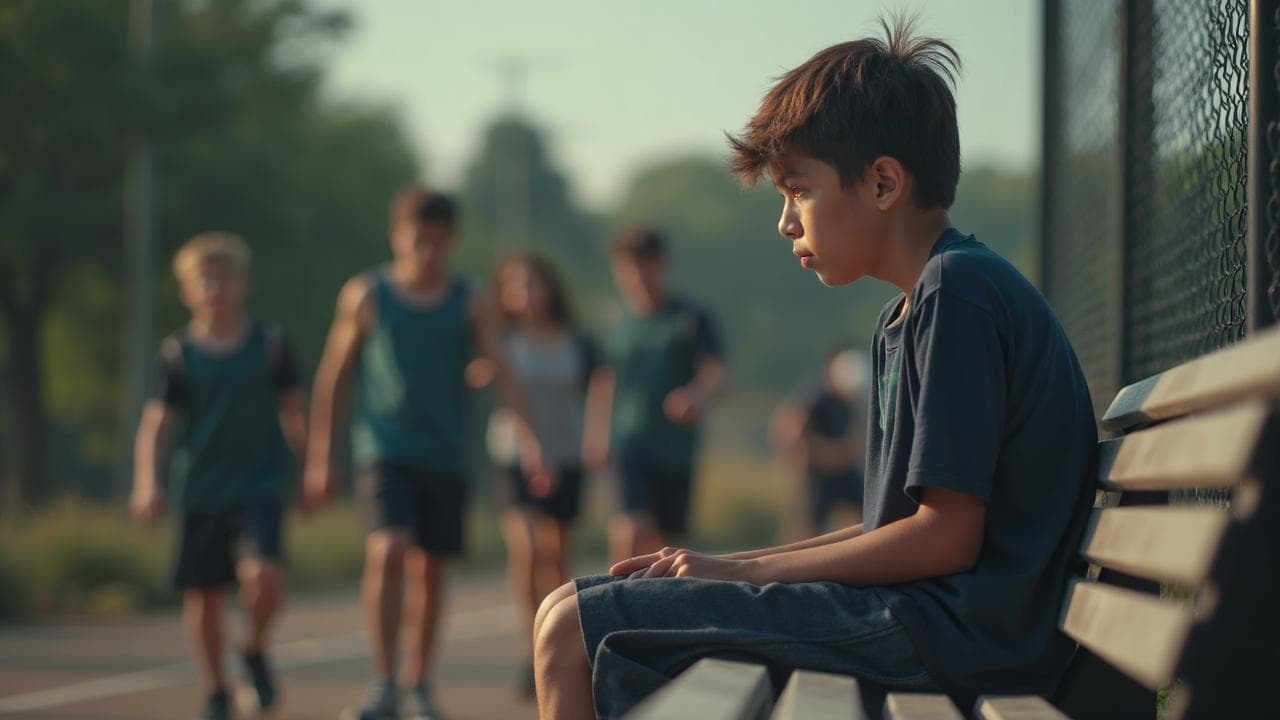
Why 1 in 3 Kids Quit Sports by Age 14—And How to Keep Them Engaged
New research reveals the shocking dropout crisis affecting youth sports globally, with performance pressure and lack of enjoyment cited as primary reasons. Here's how coaches and parents can reverse the trend.

The Youth Sports Dropout Crisis: What the Research Says
70% of youth athletes quit sports by age 13. Explore the statistics, root causes, and evidence-based solutions to address this critical challenge in player development.
More in Research
View All ResearchThe Communication Gap: Why 29% of Parents Feel Disconnected from Their Child's Development
Research reveals a massive communication divide between coaches and parents. Only structured feedback systems bridge this gap—improving retention, reducing anxiety, and enhancing player development.
Why 1 in 3 Kids Quit Sports by Age 14—And How to Keep Them Engaged
New research reveals the shocking dropout crisis affecting youth sports globally, with performance pressure and lack of enjoyment cited as primary reasons. Here's how coaches and parents can reverse the trend.
The Youth Sports Dropout Crisis: What the Research Says
70% of youth athletes quit sports by age 13. Explore the statistics, root causes, and evidence-based solutions to address this critical challenge in player development.